How RFID Technology is Revolutionizing Supply Chain Management
RFID technology is transforming supply chain management by providing real-time visibility into inventory and streamlining operations. With the ability to automatically track goods through various stages of the supply chain, companies can reduce the time spent on manual counting and avoid errors that come with traditional barcoding systems. By deploying RFID tags, businesses can achieve a more efficient flow of products, ensuring that the right goods are always in the right place at the right time. This not only enhances operational efficiency but also significantly lowers costs associated with mismanagement of inventory.
Furthermore, the integration of RFID technology enables companies to collect valuable data and insights about their supply chain processes. By analyzing this information, businesses can identify bottlenecks and optimize their logistics strategies. For instance, companies can track trends in consumer demand and adjust their supply levels accordingly, leading to improved customer satisfaction. As RFID continues to evolve, it's evident that its role in supply chain management is not just beneficial but essential for staying competitive in today's fast-paced market.
Counter-Strike is a popular first-person shooter game that has captivated gamers since its release. It features fast-paced gameplay where teams of terrorists and counter-terrorists compete to complete objectives. Players can enhance their gaming experience with various accessories, such as a compatible wallet. Check out the Top 10 magsafe wallets to find the perfect accessory for your gaming setup.
Top 5 Everyday Applications of RFID You Didn't Know About
Radio Frequency Identification (RFID) technology has transcended its traditional uses, becoming an integral part of various everyday applications. While many are familiar with its deployment in inventory management and access control, there are several everyday applications of RFID that often go unnoticed. For instance, RFID is used in smart pet collars that help pet owners easily track their pets' locations. These collars contain small RFID tags that transmit location data to a receiver, making them indispensable for pet safety and recovery.
Another intriguing application of RFID is in smart luggage, which is gaining popularity among frequent travelers. These suitcases are embedded with RFID chips that provide real-time tracking information, allowing travelers to keep tabs on their belongings during transit. Furthermore, RFID is also used in contactless payment systems, enabling consumers to make quick transactions without swiping cards. By integrating RFID technology, everyday tasks become more efficient, highlighting its significant impact on our daily lives.
What is RFID and How Does it Work? A Comprehensive Guide
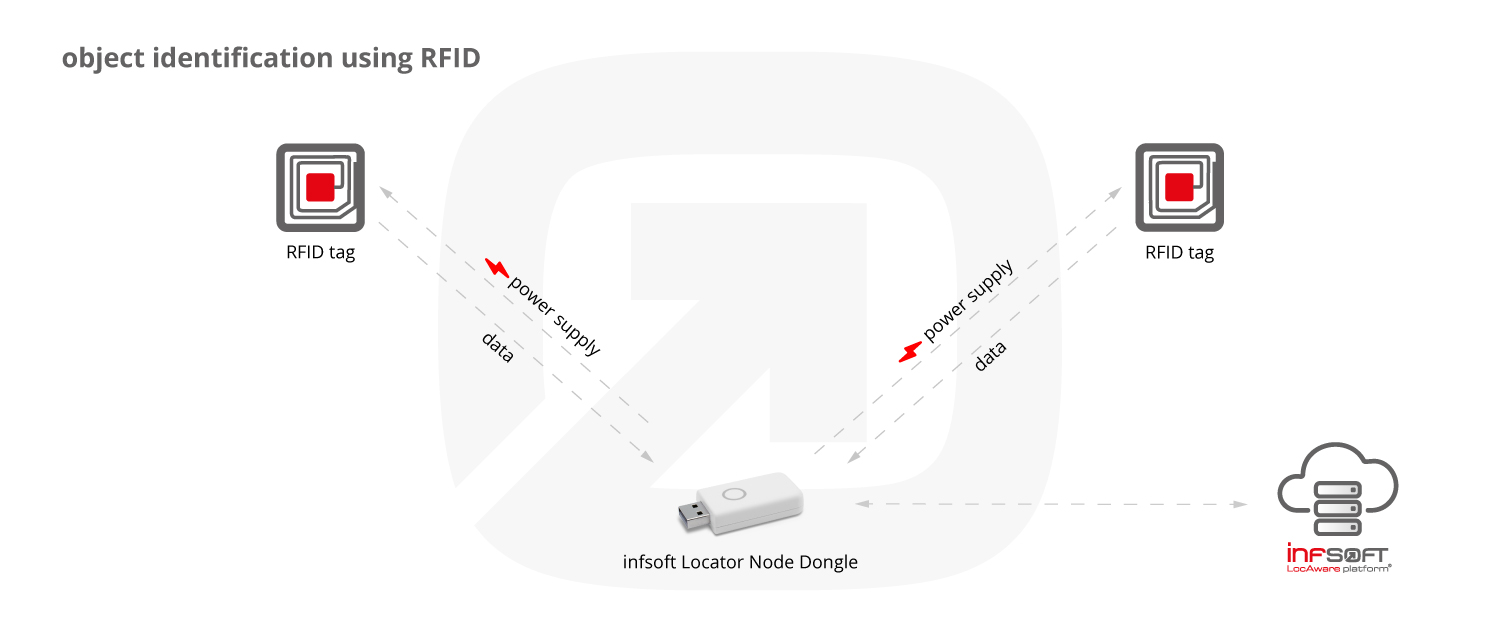
RFID, or Radio Frequency Identification, is a technology that uses electromagnetic fields to automatically identify and track tags attached to objects. The RFID system consists of three main components: a reader, a tag, and a backend system. When a tag comes within the range of an RFID reader, it transmits its stored information to the reader via electromagnetic waves. This data can include unique identification numbers, which allows for the real-time tracking of items without the need for direct line-of-sight, making it a highly efficient solution in various applications.
RFID technology operates on the principle of communication between the tags and readers through radio waves. Tags can be active, powered by an internal battery, or passive, which receive energy from the reader's transmitted signal. The process involves several steps:
- The RFID reader emits a radio signal.
- The tag receives the signal and activates.
- The tag sends back its unique data to the reader.
This simple yet effective process facilitates applications ranging from inventory management and supply chain logistics to access control and asset tracking, showcasing the versatility and reliability of RFID technology.