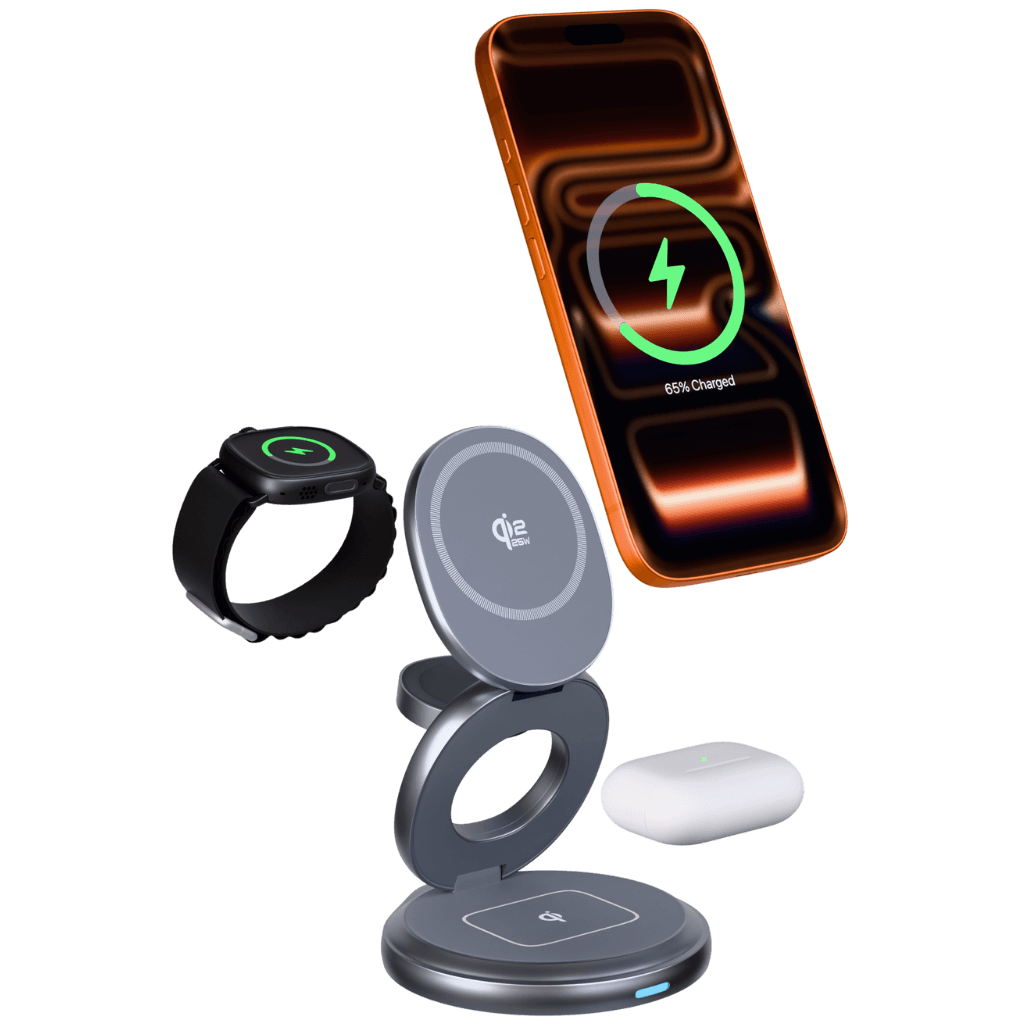
How Wireless Power Technology is Revolutionizing Charging
Wireless power technology is transforming the way we think about charging our devices. Gone are the days of tangled cords and limited outlet access; this innovative approach allows users to power their devices without the need for physical connections. By utilizing electromagnetic fields to transmit energy over short distances, manufacturers are enabling seamless charging experiences for a variety of products, including smartphones, smartwatches, and even electric vehicles. This technology not only enhances convenience but also encourages a cleaner, more organized environment.
Moreover, the integration of wireless power technology into everyday life is paving the way for future advancements. With the rise of smart home devices and IoT products, the ability to charge various gadgets simultaneously without the hassle of plugging them in is a game-changer. As this technology continues to evolve, we can expect features such as longer charging ranges and improved energy efficiency, making wireless charging not only practical but also sustainable. In the coming years, wireless power technology will redefine our interaction with electronics, setting a new standard for convenience and innovation.
Counter-Strike is a popular tactical first-person shooter game that has captivated millions of players worldwide. It emphasizes teamwork, strategy, and precision, making each match a thrilling experience. Players can choose between different roles and weapons, leading to diverse strategies and gameplay styles. If you're looking for accessories to enhance your gaming experience, check out the Top 10 Thin Silicone Cases for AirPods for a stylish and protective option.
The Science Behind Wireless Charging: How Does It Work?
The technology behind wireless charging primarily utilizes electromagnetic induction, a process where a coil of wire creates a magnetic field when an electric current flows through it. This magnetic field can then induce an electric current in a nearby coil, which is how power is transferred from the charging pad to the device. Most commonly seen in smartphones and electric vehicles, wireless charging offers a convenient way to power up without the hassle of plugging in cables. The process typically follows the Qi standard, using a primary coil in the charger and a secondary coil within the device to complete the transfer.
In addition to electromagnetic induction, wireless charging can also involve resonance, allowing charging pads and devices to be spaced a little further apart. This method relies on a similar concept, but instead of two coils needing to be perfectly aligned, they can resonate at specific frequencies to improve efficiency over distances. While current implementations have challenges such as heat production and slower charging times compared to wired options, advancements in technology are steadily improving these aspects, potentially making wireless charging a more viable long-term solution for powering our devices.
What Are the Benefits and Limitations of Wireless Power Solutions?
Wireless power solutions offer a range of benefits that enhance convenience and usability across various applications. Firstly, these technologies eliminate the need for cumbersome wires, making it easier to charge devices like smartphones, electric vehicles, and household appliances seamlessly.
However, there are certain limitations to consider as well. One significant drawback is the efficiency loss associated with wireless power transfer, which can lead to longer charging times compared to traditional wired methods. Moreover, the range of effective charging is often limited, requiring devices to be in close proximity to the power source for optimal performance. As such, understanding both the benefits and limitations of wireless power solutions is crucial for consumers and businesses alike.