Ethereum: Powering Your Next-Gen Gaming Experience (Smart Contracts, NFTs, & Earning Potential Explained)
Delve into the revolutionary potential of Ethereum for gaming, where its core technology transcends traditional gameplay.
Smart contracts, self-executing agreements stored on the blockchain, are the backbone of this transformation.They enable verifiable ownership of in-game assets, automated rewards, and transparent game mechanics, eliminating the need for central authorities. Imagine purchasing a rare in-game item and knowing its authenticity and scarcity are guaranteed by code, not by a company's promise. This fundamental shift empowers players with true digital ownership, ushering in an era of unprecedented transparency and fairness within virtual worlds.
Beyond mere ownership, Ethereum unlocks unprecedented earning potential within the gaming ecosystem. Non-Fungible Tokens (NFTs), unique digital assets secured by the blockchain, are central to this. Players can now truly own, trade, and even sell their in-game items, characters, or virtual land as NFTs, creating a real-world economy within games. This paradigm shift means:
- Players can monetize their time and skill by earning valuable assets.
- New revenue streams emerge for game developers through NFT marketplaces.
- A truly player-owned economy fosters greater engagement and loyalty.
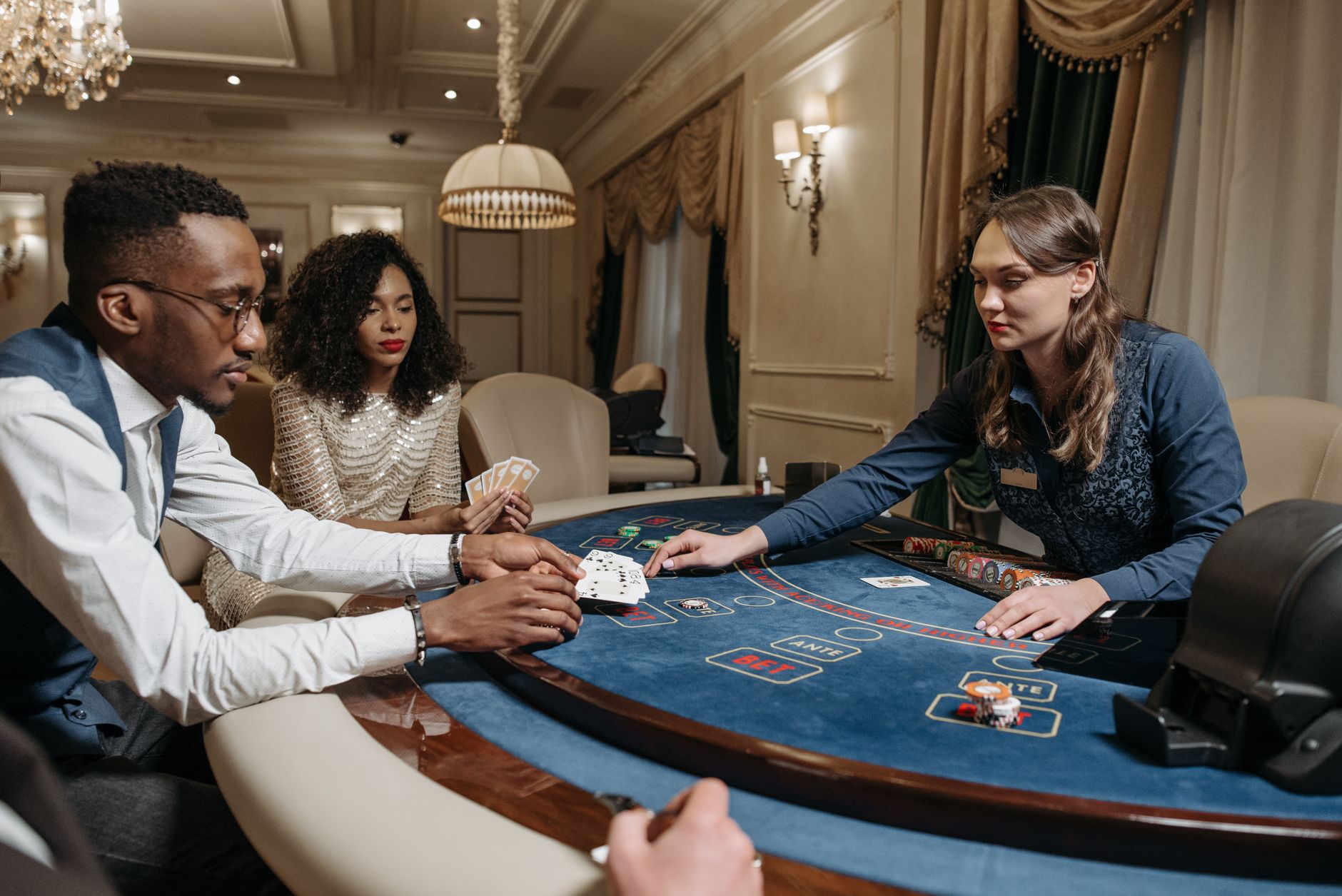
Tether casinos are online gambling platforms that accept Tether (USDT) as a payment method, offering players the stability of a cryptocurrency pegged to the US dollar. These casinos provide a secure and often anonymous way to engage in various casino games, from slots to live dealer experiences. If you're interested in exploring these platforms further, you can find more information about tether casino options and how they operate. Many players appreciate the fast transactions and lower fees associated with using USDT compared to traditional banking methods.
Ready to Level Up? Practical Tips for Exploring Decentralized Gaming on Ethereum (Wallets, Gas Fees, & Getting Started Q&A)
So, you're ready to dive into the exciting, and sometimes, complex world of decentralized gaming on Ethereum. The first hurdle, and arguably the most crucial, is setting up your digital wallet. Think of it as your passport and bank account for the blockchain. MetaMask is the undisputed champion here, offering a user-friendly browser extension that seamlessly integrates with most Ethereum-based dApps. Beyond MetaMask, hardware wallets like Ledger or Trezor provide an extra layer of security, keeping your private keys offline. Once your wallet is established, understanding gas fees becomes paramount. These are the transaction costs paid to the network's validators, fluctuating based on network congestion. Tools like Etherscan's Gas Tracker are invaluable for timing your transactions to minimize costs, especially when minting NFTs or interacting with smart contracts.
Navigating the initial steps can feel daunting, but a little preparation goes a long way. Before jumping into a game, research its community and underlying tokenomics. A thriving community often indicates a well-supported project with active development. Furthermore, familiarize yourself with the game's specific smart contracts and any associated risks. Many platforms offer excellent 'getting started' guides; don't hesitate to leverage these resources.
"The best way to predict the future is to create it." - Peter Drucker. This sentiment rings true for decentralized gaming – your active participation shapes its evolution.
Finally, remember that the decentralized space is constantly evolving. Stay informed about security best practices, be wary of phishing attempts, and always double-check transaction details before confirming. Start small, experiment, and enjoy the innovative experiences that decentralized gaming has to offer!