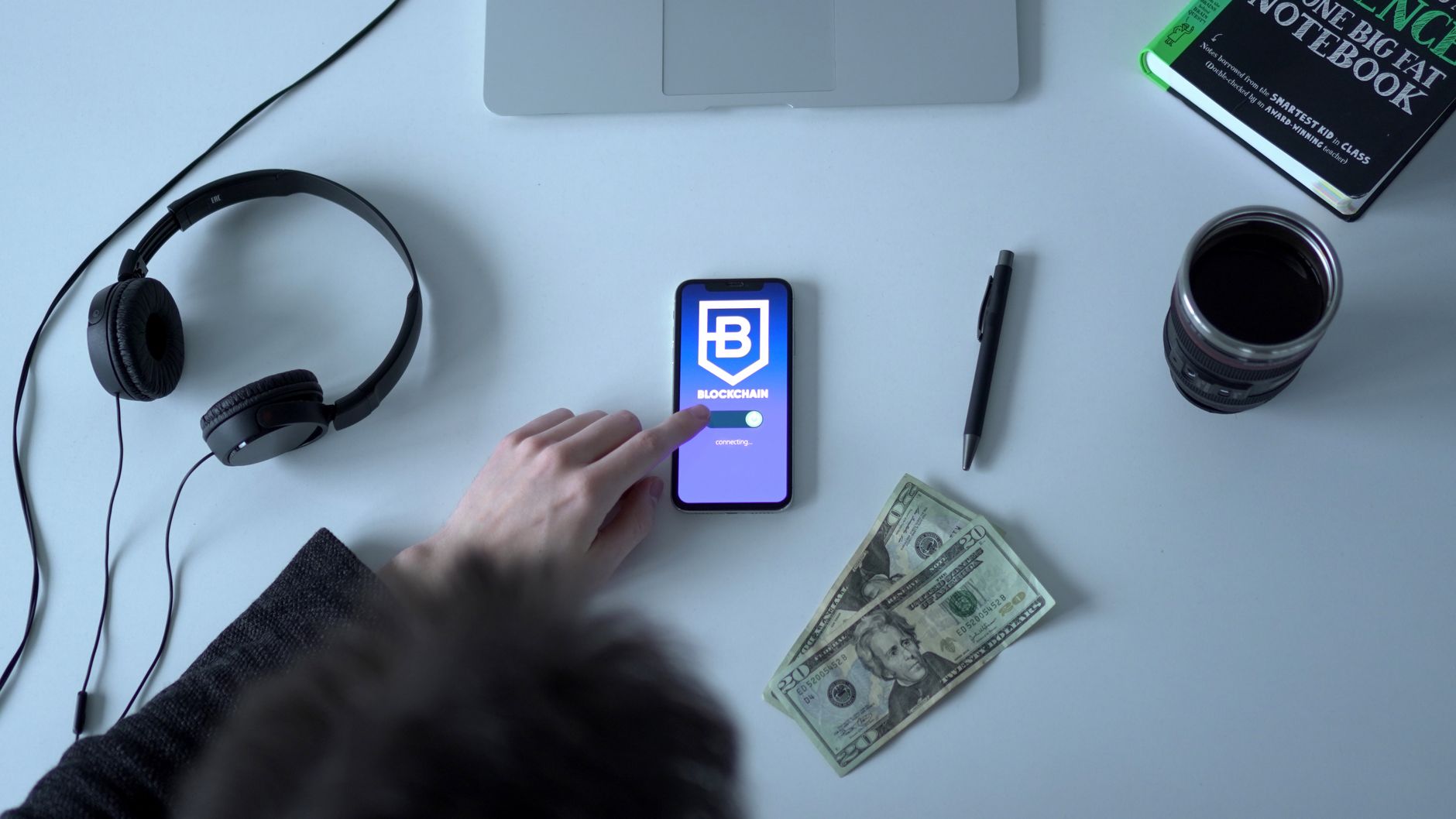
Understanding Decentralized Betting: How Web3 Transforms Your World Cup Wagers (And Answers Your FAQs)
The traditional betting landscape, often characterized by centralized bookmakers, frequently presents a opaque experience. Consider the recent evolution of Web3 technologies, which are ushering in a new era of transparency and player control, particularly within the realm of sports wagering. Decentralized betting platforms leverage blockchain technology to create a trustless environment where outcomes are verifiable and payouts are automated through smart contracts. This eliminates the need for intermediaries, drastically reducing fees and the potential for manipulation. Imagine placing a wager on the World Cup where the odds are determined by the community, and your winnings are instantly deposited into your crypto wallet upon the match's conclusion, without any third-party holding your funds hostage. This fundamental shift empowers bettors by giving them direct ownership over their funds and a clear understanding of how the system operates.
Beyond the enhanced transparency and reduced fees, decentralized betting introduces a host of innovative features that traditional platforms simply cannot offer. For instance, many Web3 betting Dapps allow for peer-to-peer wagering, enabling users to create custom bets with friends or other community members, bypassing the house entirely. Furthermore, the integration of NFTs (Non-Fungible Tokens) is beginning to revolutionize loyalty programs and unique betting opportunities. Imagine owning an NFT that grants you exclusive access to higher odds for specific World Cup matches, or even a share in the platform's revenue. The ability to participate in governance through DAO (Decentralized Autonomous Organization) structures also gives users a voice in the platform's development and future direction. This comprehensive transformation moves beyond merely placing a bet; it's about active participation in a fair, community-driven ecosystem.
Experience the excitement of the World Cup like never before by choosing to bet on the World Cup with crypto. This innovative approach offers enhanced privacy, faster transactions, and often lower fees compared to traditional methods. Dive into the action and support your favorite teams using the power of digital currencies!
Placing Your Bets: A Practical Guide to Web3 World Cup Wagering (From Wallet Setup to Cashing Out)
With your preferred crypto wallet configured and loaded, the exciting step of placing your Web3 World Cup bets awaits. This typically involves navigating to a decentralized betting platform (dApp) that supports World Cup markets. Look for dApps that are well-established, have a strong security record, and offer competitive odds. Once on the platform, you'll connect your Web3 wallet, which grants the dApp permission to interact with your funds (though you'll still confirm each transaction). Browse the available matches and betting types – from traditional match winners to more intricate prop bets like first goal scorer or total corners. The beauty of Web3 betting lies in its transparency; all transactions are recorded on the blockchain, ensuring fairness and auditability. Always double-check your selections and the amount you wish to wager before confirming the transaction via your wallet, as these are irreversible once submitted to the blockchain.
Cashing out your winnings from Web3 World Cup wagering is generally a straightforward process, though it involves a few key steps. Assuming your bet has settled and you've emerged victorious, your winnings will typically be reflected in your dApp account or directly in your connected wallet, depending on the platform's architecture. To access these funds in a more liquid form, you'll usually initiate a withdrawal from the betting dApp. This process will again require a transaction confirmation through your Web3 wallet. Once the funds are back in your personal wallet, you have several options: you can hold them as crypto, transfer them to a different wallet, or, if you wish to convert them to fiat currency, send them to a centralized exchange (CEX) where you can sell them for USD, EUR, or your local currency. Remember that converting crypto to fiat often incurs fees and may have tax implications, so it's wise to research these factors beforehand. Always prioritize security and ensure you're using official links and reputable platforms throughout the entire process.