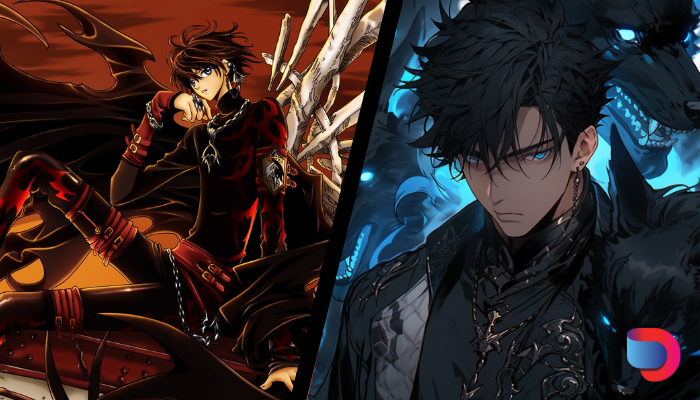
Manga vs. Manhwa: Understanding the Key Differences
When it comes to manga and manhwa, many fans often confuse the two due to their similar art styles and storytelling approaches. However, there are key differences that set them apart. Manga, which originates from Japan, is typically read from right to left and features a distinct art style characterized by detailed backgrounds and expressive characters. Manhwa, on the other hand, comes from South Korea and is usually read from left to right. This change in reading direction alters the flow of the story and can significantly impact how readers experience the narrative.
Furthermore, the themes and target audiences of manga and manhwa often differ. Manga spans a wide array of genres, catering to diverse demographics, including shounen for boys and shoujo for girls. In contrast, manhwa frequently leans towards romance and drama, particularly in webtoons, which have gained immense popularity in recent years. Understanding these differences not only enhances the reading experience but also helps enthusiasts appreciate the unique aspects of each medium.
If you're a fan of the popular series, you can find a variety of merchandise at the solo leveling shop, including apparel, collectibles, and art prints that celebrate the thrilling world of Solo Leveling. Whether you want to show off your love for the characters or grab a gift for a fellow fan, this shop has something for everyone!
Which Art Style Captivates You More: Manga or Manhwa?
The debate between Manga and Manhwa has been a hot topic among art enthusiasts and comic book lovers alike. Both styles boast unique characteristics that reflect their cultural origins—Manga is rooted in Japanese tradition, while Manhwa hails from Korea. The visual storytelling in Manga often features intricate details and a distinctly stylized form, drawing readers into captivating narratives filled with complex characters. Conversely, Manhwa tends to emphasize vibrant colors and smoother lines, creating a more modern aesthetic that resonates with contemporary audiences. This stark difference in artistic approach raises a compelling question: Which art style captivates you more?
When choosing between Manga and Manhwa, it’s essential to consider not only the visual nuances but also the storytelling techniques employed in each format. Manga typically consists of black and white artwork, allowing the reader's imagination to fill in the gaps, whereas Manhwa often presents its stories in full color, enhancing the emotional depth of its narratives. Readers might find themselves drawn to Manga for its traditional roots and diverse genres, or they might prefer Manhwa for its modern flair and dynamic character development. Ultimately, both art styles offer distinct experiences that cater to a wide range of preferences, making the choice a matter of personal taste.
The Evolution of Manga and Manhwa: What You Need to Know
The evolution of manga and manhwa has been a fascinating journey, reflecting cultural shifts and artistic innovations over time. Originating in Japan, manga developed as a distinct art form in the late 19th century, influenced by traditional Japanese art and Western comic styles. The post-World War II era marked significant growth, as popular titles like Astro Boy by Osamu Tezuka helped to establish the modern manga industry. By the 1980s and 1990s, genres diversified, catering to audiences of all ages and interests, from shonen and shojo to seinen and josei. This period also saw a rise in anime adaptations, further popularizing manga globally.
In parallel, manhwa, the Korean counterpart to manga, has been gaining traction since the late 20th century. Historically, manhwa began as a simplistic form of entertainment but gradually transformed into a rich and varied medium, especially in the early 2000s with the advent of webtoons. Today, platforms like LINE Webtoon and Tapas offer a format that caters to a digital audience, allowing creators to reach wider audiences. The rise of manhwa has also influenced manga, with stylistic and narrative elements crossing over between the two. Understanding the distinct yet overlapping histories of manga and manhwa can enhance your appreciation for both art forms.