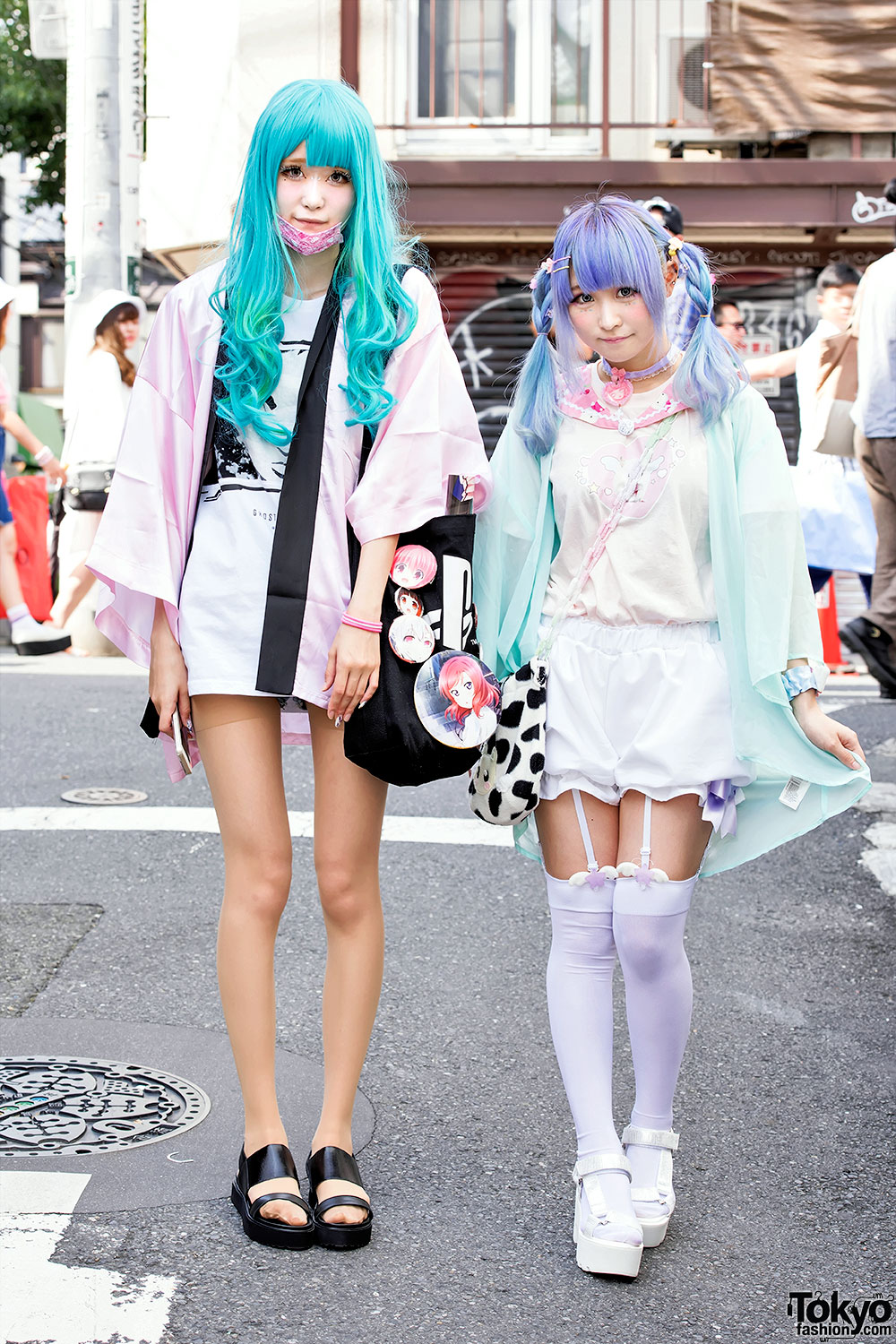
Top 10 Techniques for Creating Dynamic Manga Characters
Creating dynamic manga characters requires a blend of creativity and technique. Here are the top 10 techniques that can help you breathe life into your characters:
- Strong Visual Design: Start with a unique physical design that reflects their personality. Use distinctive features like hairstyles, clothing, and colors to make your character memorable.
- Backstory Development: A well-thought-out backstory gives depth to your character. Consider their past experiences, motivations, and relationships to make them relatable to your audience.
- Flaws and Vulnerabilities: No character is perfect. Introducing flaws or vulnerabilities makes them more realistic and relatable, allowing readers to connect emotionally.
- Character Arcs: Develop a clear character arc that shows growth or change throughout the story. This evolution keeps your audience engaged and invested in their journey.
- Consistent Voice: Establish a distinct voice for your character through dialogue and actions. Consistency in how they speak and react enhances their authenticity.
- Relationships: Characters that interact with others add another layer of depth. Create meaningful relationships that influence their decisions and growth.
- Aesthetic Choices: The visual storytelling in manga is critical. Use facial expressions, body language, and action flows to communicate emotions and highlight dynamic moments.
- Inspiration from Real Life: Draw inspiration from real-life experiences or people. This adds realism and relatability to your characters, making them resonate with readers.
If you're a fan of the popular anime series, you won't want to miss our bleach shop, where you can find a variety of merchandise that celebrates the show. From apparel to collectibles, there's something for everyone. Explore our unique selection and add to your collection today!
The Evolution of Manga Art Styles: From Classic to Contemporary
The world of manga has seen significant transformation since its inception, reflecting changes in society, culture, and technology. In the early days, artists like Osamu Tezuka laid the groundwork with their intricate linework and exaggerated characters, which became hallmarks of the classic style. This period was characterized by a focus on storytelling and emotion, often utilizing monochromatic palettes and detailed backgrounds that drew readers into fantastical realms. As the genre evolved through the decades, the introduction of new techniques and the influence of Western art led to diverse styles branching out, establishing a rich tapestry of artistic expression.
In contemporary manga, one can observe a remarkable shift towards more stylized and experimental designs. Today’s artists often blend traditional influences with modern aesthetic trends, resulting in dynamic visuals and innovative storytelling methods. Styles now range from the highly detailed, dramatic visuals seen in series like Attack on Titan to the simplistic yet charming designs of webtoons and light novels. This evolution is not just limited to visuals; it also encompasses a broader range of themes and genres, reaching a global audience and influencing international comics. The journey of manga art styles is a testament to the medium's adaptability and enduring appeal.
How to Use Color Theory in Manga Design for Maximum Impact
Color theory plays a crucial role in manga design, allowing artists to convey emotions, set the mood, and enhance the storytelling experience. Understanding the color wheel and the relationships between colors is essential for manga artists looking to create visually compelling works. For instance, complementary colors—those opposite each other on the color wheel—can create a vibrant contrast that draws attention to key elements, while analogous colors—those next to each other—provide harmony and balance. Utilizing these concepts can help artists ensure their characters and backgrounds resonate with readers on a deeper level.
To maximize the impact of color in your manga, consider implementing a limited color palette to create a cohesive look throughout your pages. Fewer colors can lead to a more striking visual effect, allowing essential elements to stand out. Additionally, think about how different colors evoke varying emotions; for instance, warm colors like reds and oranges can elicit feelings of excitement or urgency, while cool colors like blues and greens often promote calmness. By thoughtfully applying color theory techniques, you can elevate your manga art and leave a lasting impression on your audience.