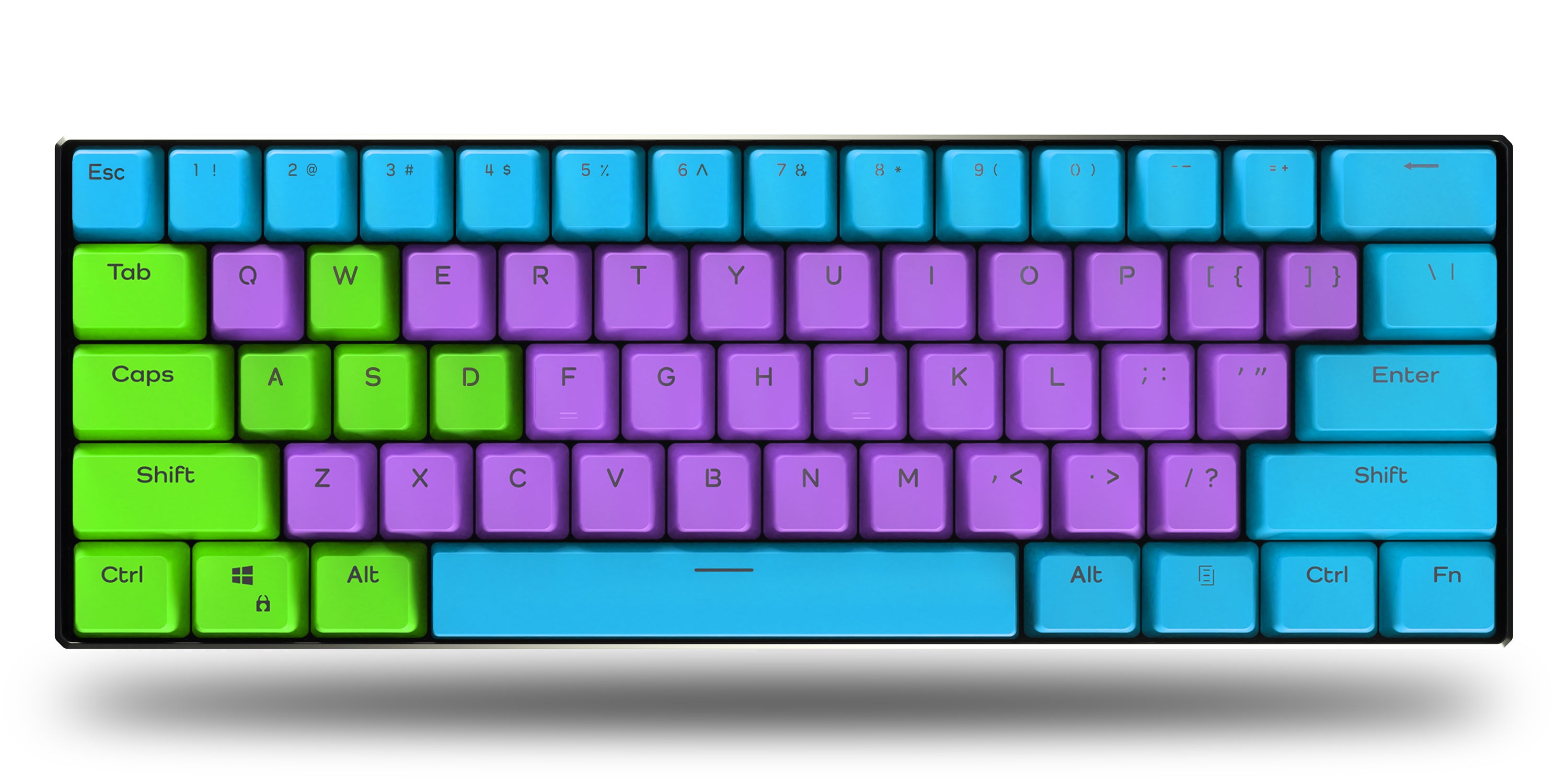
The Psychological Impact of Typing: How Your Keyboard Affects Mood and Productivity
Typing is not just about inputting text; it has profound implications for our psychological state. The impact of typing on mood can be attributed to various factors, including the physical sensation of the keyboard and the auditory feedback it provides. For instance, the tactile experience of mechanical keyboards, with their satisfying click and response, can stimulate a sense of accomplishment and boost motivation. Conversely, flat or overly spongy keyboards may lead to frustration, impacting overall productivity. Research suggests that the type of keyboard used can affect a person's mood, with some users finding certain keyboards more comfortable and enjoyable, thus enhancing their writing experience.
Moreover, the psychological effects of typing extend beyond mere comfort; they also intersect with our productivity levels. When we type on a keyboard that feels good, our brain releases dopamine, fostering a positive feedback loop that encourages further engagement with our tasks. To maximize productivity, consider employing these practices:
- Choose a keyboard that matches your typing style.
- Maintain ergonomic posture to reduce strain.
- Create a distraction-free typing environment.
Counter-Strike is a highly popular team-based first-person shooter game that has captivated gamers since its release. The game is known for its strategic gameplay, where players work together to complete objectives, such as planting or defusing bombs. For players looking to enhance their gaming setup, consider checking out the Top 10 Bluetooth Tablet Keyboards to improve mobility and comfort during long gaming sessions.
From QWERTY to Happiness: The Evolution of Keyboard Design and Its Influence on Our Lives
The evolution of keyboard design has significantly influenced both the way we interact with technology and the overall happiness that comes from seamless communication. Initially, the QWERTY layout was created in the 1870s, primarily to reduce jamming in manual typewriters. Over the years, as technology progressed, various alternatives emerged—such as the Dvorak and Colemak layouts—each promising improved efficiency and user satisfaction. However, the QWERTY layout remains dominant, largely due to its widespread adoption and the familiarity it offers to millions of users around the globe.
Today, keyboard design has evolved beyond mere functionality; it now incorporates ergonomic principles and aesthetic appeal. Modern keyboards, including mechanical variants, have been shown to enhance user experience, reduce strain, and even boost productivity. As a result, our relationship with keyboards has transformed, making them not just tools for typing but extensions of our creativity and expression. Ultimately, the journey from QWERTY to more advanced designs reflects our continuous pursuit of improved happiness in our work and daily lives.
Is Typing Making Us Happier? Exploring the Connection Between Digital Communication and Well-Being
In today's digital age, the way we communicate has transformed dramatically, with typing being at the forefront of this evolution. The immediacy and convenience of digital communication allow us to stay connected with family, friends, and colleagues across the globe. Research has shown that engaging in frequent digital conversations can foster a sense of belonging and enhance our social networks, which are crucial factors in overall well-being. However, it's essential to examine whether this constant flow of text truly contributes to our happiness or if it leads to feelings of isolation due to a lack of face-to-face interactions.
Moreover, the act of typing can serve as a therapeutic outlet for many individuals, providing a means to express thoughts and emotions that might be difficult to communicate verbally. Online platforms allow for personal storytelling, sharing experiences, and even connecting with others facing similar challenges. Engaging in thoughtful discussions through typed messages can foster empathy and understanding, further enhancing our emotional health. As we delve deeper into the impact of digital communication on our lives, it becomes increasingly clear that, while typing offers numerous benefits, striking a balance between digital interactions and real-world connections is key to achieving optimal happiness.