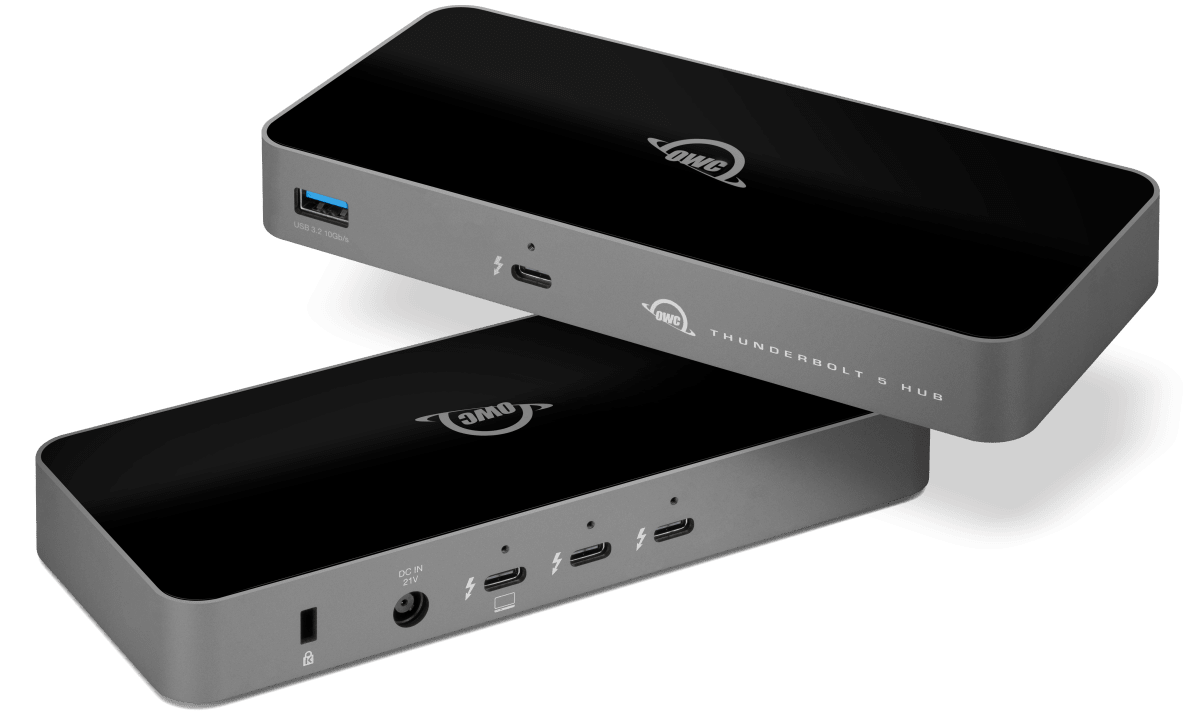
What is Thunderbolt and How Does It Work?
Thunderbolt is a hardware interface developed by Intel in collaboration with Apple, designed to connect various peripherals to a computer. This technology combines data, video, and power delivery into a single cable, allowing for incredibly fast transfer rates—up to 40 Gbps with Thunderbolt 3 and 4. Utilizing the USB-C connector, Thunderbolt enables seamless connectivity with devices like displays, external hard drives, and docking stations, providing a versatile solution for modern computing needs.
The way Thunderbolt works is through a series of data packets that carry information over the same cable. This technology supports both data transfer and video output, meaning you can connect a monitor and an external SSD simultaneously without sacrificing performance. Additionally, the Thunderbolt protocol includes support for daisy-chaining, which allows you to connect multiple Thunderbolt devices in a sequence, streamlining your workspace and reducing cable clutter. As a high-performance interface, Thunderbolt is particularly beneficial for tasks that require bandwidth-intensive applications, such as video editing and gaming.
Counter-Strike is a highly popular multiplayer first-person shooter game that emphasizes teamwork and strategy. Players join either the terrorist or counter-terrorist team to compete in various objective-based game modes. For gamers looking to enhance their experience, using an external monitor can be beneficial. You can check out the Top 10 external monitors for mac to find the perfect display for your gaming setup.
Top 5 Benefits of Using Thunderbolt for Your Devices
Thunderbolt technology has revolutionized the way we connect our devices, offering a range of benefits that can enhance productivity and user experience. One of the most significant advantages is high-speed data transfer. With data transfer rates reaching up to 40 Gbps, Thunderbolt allows users to transfer large files, such as 4K videos or high-resolution images, in mere seconds. This feature is especially beneficial for professionals in creative industries, where time is often of the essence.
Another key benefit is versatility. Thunderbolt supports multiple protocols, including DisplayPort and PCI Express, enabling it to connect various devices such as displays, external storage, and docks with a single cable. This not only simplifies connections but also reduces clutter, improving your workspace efficiency. Overall, using Thunderbolt can streamline your setup and elevate your device's performance, making it an essential technology for anyone looking to enhance their digital workflow.
Is Thunderbolt the Future of High-Speed Data Transfer?
The rapid advancement in technology has paved the way for innovative data transfer protocols, and one of the most promising among them is Thunderbolt. Developed initially by Intel, this interface has continued to evolve, offering incredible data transfer speeds that can reach up to 40 Gbps. As we move further into an era dominated by high-resolution video, large data sets, and cloud computing, the need for faster and more efficient data transfer methods has become undeniable. With its ability to handle a multitude of tasks simultaneously, including video and power transmission, Thunderbolt is increasingly being viewed as the backbone of future high-speed data transfer solutions, making it an essential consideration for tech enthusiasts and professionals alike.
Moreover, Thunderbolt ensures compatibility with both USB and DisplayPort technologies, which enhances its versatility and appeal across various devices. As manufacturers adopt this technology in laptops, desktops, and peripheral devices, the question arises: is Thunderbolt truly the future of high-speed data transfer? Many experts believe so, citing its seamless integration into existing and emerging technologies as a key factor. With ongoing improvements in bandwidth and reduced latency, Thunderbolt is not just a fleeting trend; rather, it stands poised to redefine how we approach data transfer in the next decade.