The Psychology of Workspace Design: How Your Office Affects Productivity
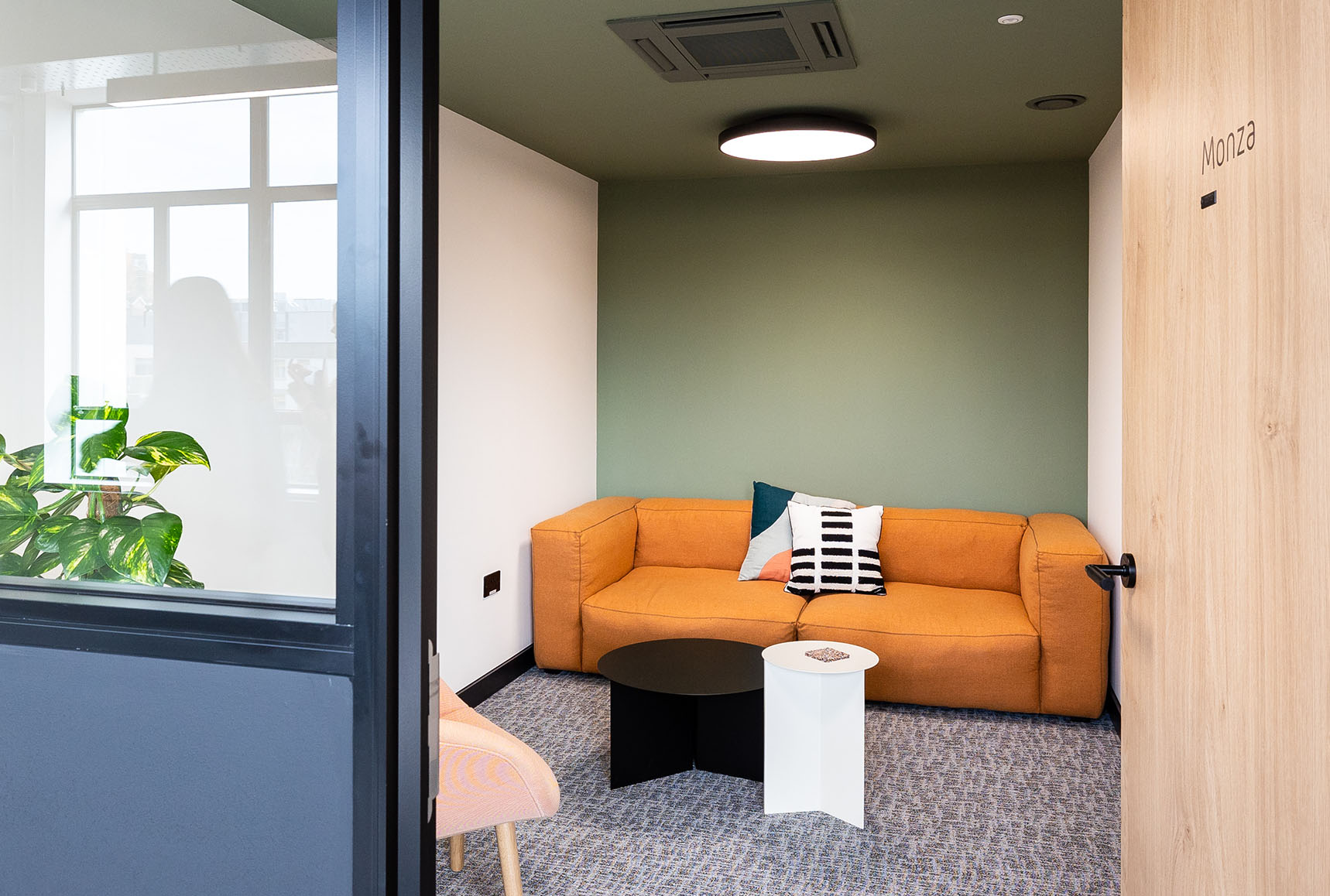
The psychology of workspace design plays a crucial role in determining employee productivity and overall workplace satisfaction. A well-designed office can enhance creativity, collaboration, and focus, while a poorly arranged space can lead to distractions and decreased motivation. Factors such as lighting, color scheme, furniture layout, and availability of collaborative areas all contribute to how employees perceive their environment. For example, open spaces encourage communication and teamwork, while quiet zones provide a retreat for deep concentration. Understanding the psychological impacts of these design elements is key to creating a workspace that not only meets functional needs but also nurtures the mental well-being of employees.
Furthermore, the layout of an office can significantly influence interpersonal relationships and organizational culture. A workspace design that encourages interaction through communal areas or collaborative tools can foster a sense of community and belonging among team members. Research shows that employees who feel connected to their colleagues are more engaged and less likely to experience burnout. By integrating biophilic design elements, such as natural light and greenery, organizations can further enhance employee mood and productivity. Overall, investing in thoughtful workspace design is not merely an aesthetic choice; it is a strategic advantage that can drive productivity and innovation within the workforce.
Counter-Strike is a popular tactical first-person shooter game that pits two teams against each other—Terrorists and Counter-Terrorists—in various objective-based scenarios. The game emphasizes teamwork and strategy, where players must work together to complete missions such as bomb defusal or hostage rescue. To enhance your gaming experience, consider investing in Top 10 MacBook Accessories for Office that can improve both your performance and comfort while playing.
Transforming the Traditional Cubicle: Innovative Ideas for a Dynamic Workspace
The traditional cubicle has long been associated with a rigid and monotonous work environment, but transforming the traditional cubicle can lead to a more inspiring and dynamic workspace. One innovative idea is to incorporate collaborative zones within the office layout. These zones can be designed as open spaces with comfortable seating, writable walls for brainstorming sessions, and technology hubs for group collaborations. Additionally, using modular furniture allows employees to reconfigure their space as needed, fostering creativity and teamwork.
Another approach to transforming the traditional cubicle is by integrating nature into the workspace. Implementing biophilic design principles—like adding indoor plants, natural light, and organic materials—can significantly enhance employee well-being and productivity. Consider creating wellness areas within the office for relaxation and meditation, allowing employees to recharge and refocus. By prioritizing both aesthetics and functionality, companies can craft a work environment that reflects modern values and inspires innovation.
Can Your Workspace Inspire Creativity? Exploring the Connection Between Environment and Innovation
The connection between workspace and creativity has been a topic of interest for many researchers and entrepreneurs alike. A well-designed workspace can significantly influence an individual's ability to innovate and generate fresh ideas. From natural lighting to the layout of furniture, every aspect of the environment can either foster or hinder creative thoughts. For example, incorporating elements like plants or art can not only beautify the space but also enhance mood and productivity. To illustrate, a survey conducted by the American Psychological Association suggested that individuals in aesthetically pleasing work environments experience lower stress levels and increased cognitive function, which directly correlates with their innovative capabilities.
Moreover, the concept of workspace extends beyond mere physical attributes; it also encompasses the social dynamics at play. Collaborative spaces encourage interaction and the cross-pollination of ideas, leading to greater innovation. A study by Harvard Business Review found that employees who work in open environments tend to report more creative ideas than those in traditional, closed-off spaces. Thus, businesses looking to enhance creativity shouldn't underestimate the importance of fostering a supportive community and creating spaces that facilitate communication. In summary, your workspace can play a pivotal role in inspiring creativity and innovation, shaping not just the individual, but the entire organization.