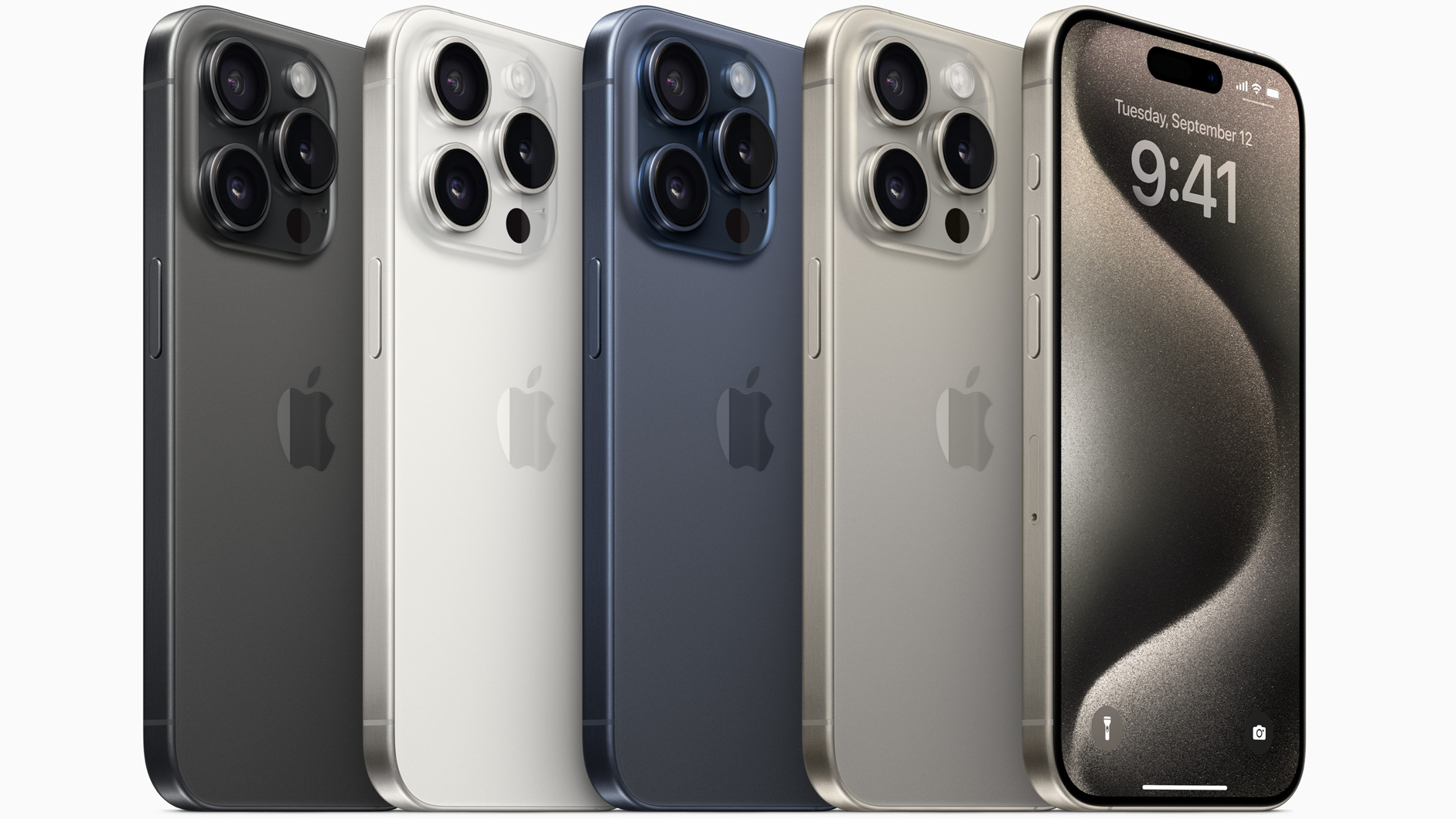
How Smartphones Shape Our Perception of Time and Reality
The advent of smartphones has drastically altered our perception of time and reality. In an age where instantaneous communication and access to information are the norms, the traditional markers of time—like the passing of hours or days—seem to blur. Social media applications and messaging platforms keep us perpetually engaged, creating a sense of urgency that can warp our understanding of how long events last. For instance, the constant ping of notifications can distract us, leading to multitasking scenarios where we rapidly switch from one task to another. This culture of immediacy can make it feel as if time is slipping through our fingers, reshaping our daily routines and the way we value leisure and productivity.
Furthermore, smartphones influence our reality through augmented and virtual experiences that redefine how we interact with the world. With applications that enhance our surroundings or immerse us in simulated environments, our grip on what is 'real' becomes increasingly tenuous. Augmented reality tools, for example, overlay digital information onto our physical world, blurring the line between the two. As we become accustomed to these enhanced experiences, our expectations of reality shift, leading to a re-evaluation of time spent in 'the real world' versus 'the digital world.' This phenomenon raises important questions about our collective future and how we will continue to relate to the concept of time itself.
Counter-Strike is a highly popular first-person shooter game that has evolved significantly since its inception. Players compete in teams to complete objectives such as bomb defusal or hostage rescue. Whether you're playing competitively or casually, having the right gear can enhance your gaming experience. Check out these Top 10 Mobile Accessories that can help improve your skills and performance in the game.
The Evolution of Smartphones: A Journey Through Technological Time
The evolution of smartphones has been a remarkable journey that reflects the rapid advancements in technology over the past few decades. In the early days, mobile communication was limited to basic voice calls and text messaging, with devices such as the Motorola DynaTAC of 1983 being the height of innovation. As we progressed into the 2000s, the introduction of devices like the BlackBerry and Apple iPhone revolutionized personal communication, integrating functionalities like email, web browsing, and app ecosystems. This shift not only changed how we interact but also how we access information on the go.
Today, smartphones are powerful mini-computers that keep us connected and informed at all times. The latest models boast features such as high-resolution cameras, artificial intelligence, and seamless connectivity through 5G networks. Recent advancements have introduced innovations like foldable screens and enhanced security measures, such as biometric authentication. As we look to the future, the continuing evolution of smartphones promises even more transformative technologies that will shape our daily lives, bridging the gap between the digital and physical worlds.
Can Your Smartphone Help You Relive Past Memories?
Your smartphone is not just a communication device; it can also serve as a powerful tool to relive past memories. With the integration of advanced features like camera capabilities and various apps, you can capture moments as they unfold and revisit them later. For instance, using apps like Google Photos or Apple Photos allows you to store and organize pictures chronologically. This way, you can effortlessly go back in time and view snapshots of your life's most cherished moments.
In addition to photos, smartphones are equipped with features that enable you to record videos and audio. These multimedia elements can evoke emotions and bring back the essence of the past. Consider journaling your experiences using apps like Day One or Journey to document your thoughts and feelings. When you look back at these entries, you'll find that your smartphone not only helps you remember but also allows you to fully experience those memories again, giving them new life in your mind.