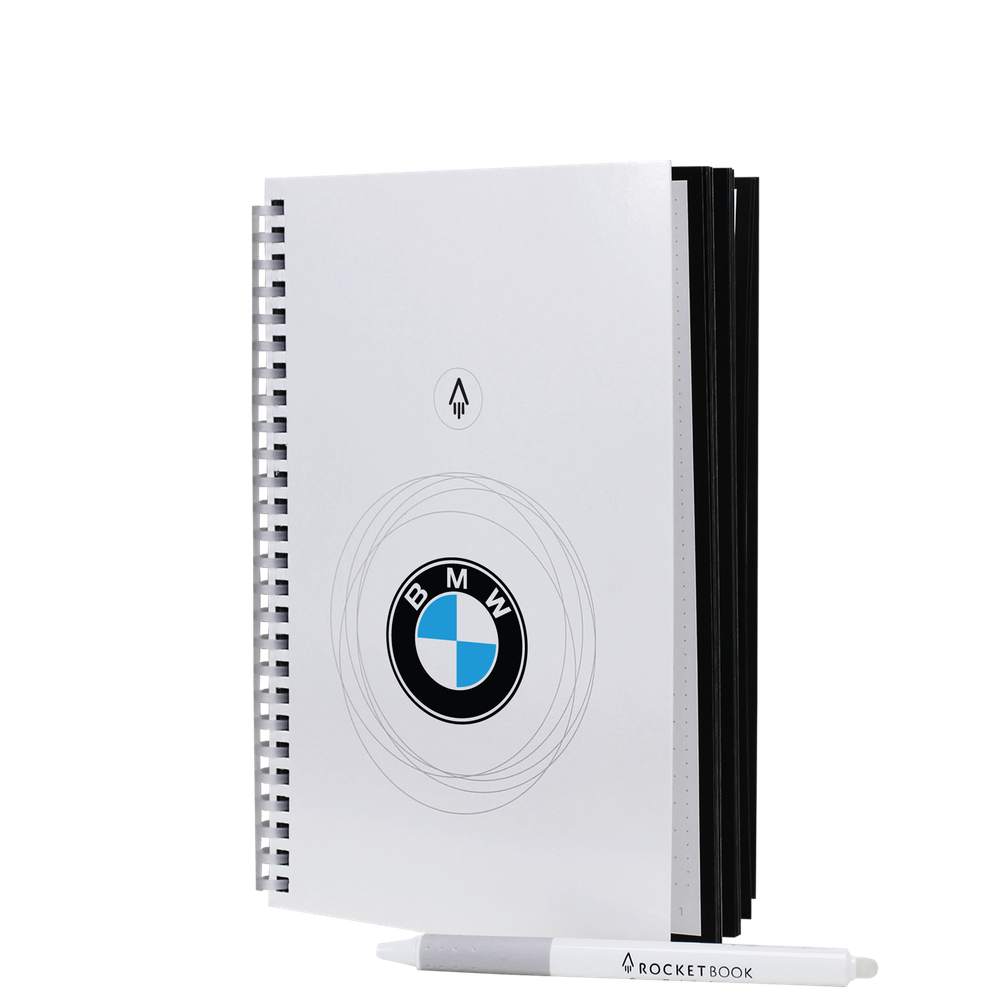
Understanding the Benefits of Smart Notebooks: A Comprehensive Guide
In today's digital age, smart notebooks have emerged as revolutionary tools that blend the convenience of traditional note-taking with the power of modern technology. These innovative devices allow users to capture handwritten notes and instantly digitize them, facilitating organization and accessibility. One of the primary benefits of using a smart notebook is the ability to sync notes to the cloud, enabling users to access their ideas from any device, anywhere. This feature is particularly advantageous for students and professionals who need to manage multiple projects and ideas efficiently.
Furthermore, smart notebooks often come equipped with features such as searchable text and built-in templates for various writing styles, making them even more valuable. With the capability to convert handwritten notes into editable digital format, users can easily share their insights with colleagues or classmates. In addition, many smart notebooks promote sustainability by allowing users to erase and reuse pages, significantly reducing paper waste. Overall, embracing the technology of smart notebooks not only boosts productivity but also contributes to a more eco-friendly approach to note-taking.
Counter-Strike is a highly popular first-person shooter game that has captivated gamers since its release. It pits teams of terrorists against counter-terrorists in various objectives, promoting strategy, teamwork, and skill. If you're looking for some great gifts for gamers, check out the Top 10 Tech Gifts for Students, which includes some fantastic options for enhancing the gaming experience.
How Smart Notebooks Enhance Your Note-Taking Experience
In today's digital age, smart notebooks are revolutionizing the way we take notes, providing an efficient and organized solution for students, professionals, and creatives alike. Unlike traditional notebooks, these innovative tools utilize advanced technology that allows users to seamlessly digitize their handwritten notes. With features like cloud synchronization, users can access their notes from multiple devices, ensuring that important information is always at their fingertips. This integration of digital accessibility enhances the overall note-taking experience, making it easier to review and share notes with colleagues or classmates.
Moreover, smart notebooks often come equipped with various organizational tools, such as templates for different types of notes, customizable pages, and the ability to tag content for easier retrieval. For instance, many models allow users to categorize their notes or even create to-do lists directly within the notebook. These functionalities not only streamline the note-taking process but also help to maintain focus and clarity during lectures or meetings. By investing in a smart notebook, individuals can significantly enhance their productivity and improve their learning outcomes.
Are Smart Notebooks Worth the Investment? An In-Depth Comparison
In today's digital age, many individuals are turning to smart notebooks as a modern solution for note-taking and organization. These innovative devices blend traditional writing with advanced technology, allowing users to capture handwritten notes that can easily be digitized and stored. But with a price tag that often exceeds that of a regular notebook, one must ask: are smart notebooks really worth the investment? To answer this question, we will compare their features, benefits, and potential drawbacks against the classic paper alternative.
One of the primary advantages of smart notebooks is their ability to streamline productivity. Many smart notebooks integrate with various applications that facilitate note sharing, organization, and even collaboration. For instance, a few models offer features like cloud synchronization and handwriting recognition, which can significantly enhance accessibility and ease of use. However, these conveniences often come at the cost of higher prices and the need for electronic devices to fully utilize their capabilities. Weighing these factors will help you determine whether the long-term benefits justify the initial spending.