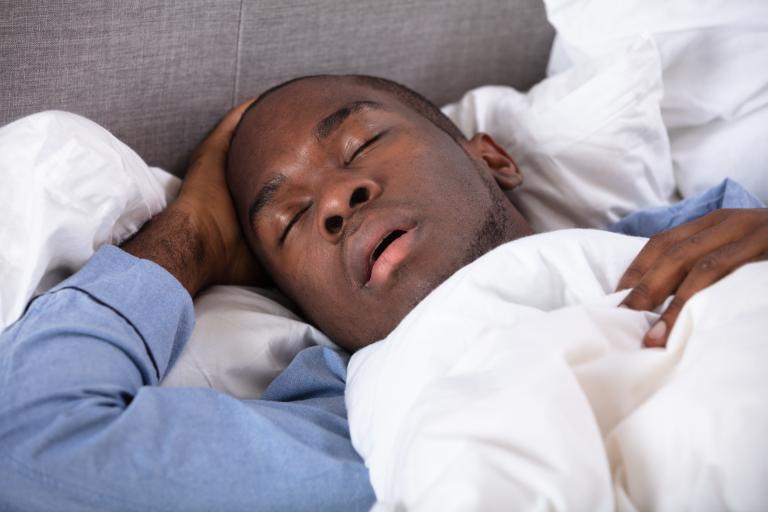
The Science of Napping: How to Maximize Your Rest for Peak Performance
The science of napping is grounded in neurobiology and the understanding of sleep cycles. Napping has been shown to enhance cognitive function, increase alertness, and improve overall productivity. Research suggests that a nap of just 10 to 20 minutes can help you feel refreshed without entering the deeper sleep stages, which can leave you groggy. Furthermore, napping can benefit memory consolidation and problem-solving skills, making it an essential tool for peak performance.
To maximize your rest, consider the following strategies:
- Timing: Ideal nap times are usually in the early afternoon, around 1 PM to 3 PM, when natural circadian rhythms cause a dip in alertness.
- Environment: Find a quiet, dark space where you can relax without interruptions. A comfortable setting significantly improves the quality of your nap.
- Duration: Aim for short bursts of sleep; 20 minutes for a quick refresh or up to 90 minutes to complete a full sleep cycle.
By understanding the science of napping, you can incorporate these techniques into your routine, ultimately leading to enhanced focus and performance.
Counter-Strike is a popular first-person shooter game that has been a staple in the gaming community since its release. It focuses on team-based gameplay where players can choose to be part of either the terrorist or counter-terrorist factions. For gaming enthusiasts seeking comfort during long sessions, check out the Top 10 Apple Watch Bands for Sleep to enhance their gaming experience.
Top 10 Celebrity Nappers: Secrets Behind Their Power Naps
When it comes to maintaining their star status, even celebrities recognize the importance of a good nap. In the fast-paced world of fame and fortune, these celebrity nappers have mastered the art of power napping to recharge their energy and stay at the top of their game. From pop stars to movie icons, many have shared their secrets on how a quick snooze can enhance productivity and creativity. Here’s a look at our top 10 celebrity nappers who know the value of a revitalizing nap.
- Leonardo DiCaprio - This Oscar-winning actor is known to take power naps between shoots, helping him maintain his focus.
- Jennifer Lopez - J.Lo often incorporates 20-minute naps into her busy schedule to stay energized.
- Selena Gomez - The singer and actress swears by short naps, claiming they help her clear her mind.
- George Clooney - Clooney embraces napping as a way to unwind from hectic days, showing they are essential for his creativity.
- Rihanna - The pop diva believes naps are crucial for her vocal performance, making them a regular part of her routine.
- Chris Pratt - He prefers a brief mid-day nap to boost his energy levels during long filming schedules.
- Sofía Vergara - The actress finds that napping helps her tackle demanding workdays with ease.
- Oprah Winfrey - Oprah confirms that a good nap contributes to her overall well-being and mental clarity.
- Beyoncé - The iconic performer schedules short naps to maintain her stamina during extensive tours.
- Emma Watson - Watson believes in the magic of power naps for staying sharp in both her academic and acting pursuits.
Is Napping the Key to Success? Exploring Benefits and Myths
Napping has often been deemed a guilty pleasure, but emerging research suggests it may actually be a vital component of a successful lifestyle. Short naps can enhance cognitive function by improving memory consolidation, increasing alertness, and boosting creativity. According to a study published in NASA’s Journal of Aerospace Medicine, a 10-minute nap can lead to a 34% increase in performance and a 54% increase in alertness. These findings indicate that integrating napping into a daily routine could be a simple yet effective strategy to enhance productivity and mental acuity.
However, amidst these benefits, several myths about napping persist. One common misconception is that napping leads to grogginess, known as sleep inertia. While it’s true that longer naps can cause this effect, embracing short power naps (around 20 minutes) can help counteract it. Additionally, many people believe that napping is a sign of laziness or poor work ethic, but the opposite is often true. Incorporating short naps can be an integral part of a successful work strategy, as it allows individuals to recharge and maintain high performance levels throughout the day.