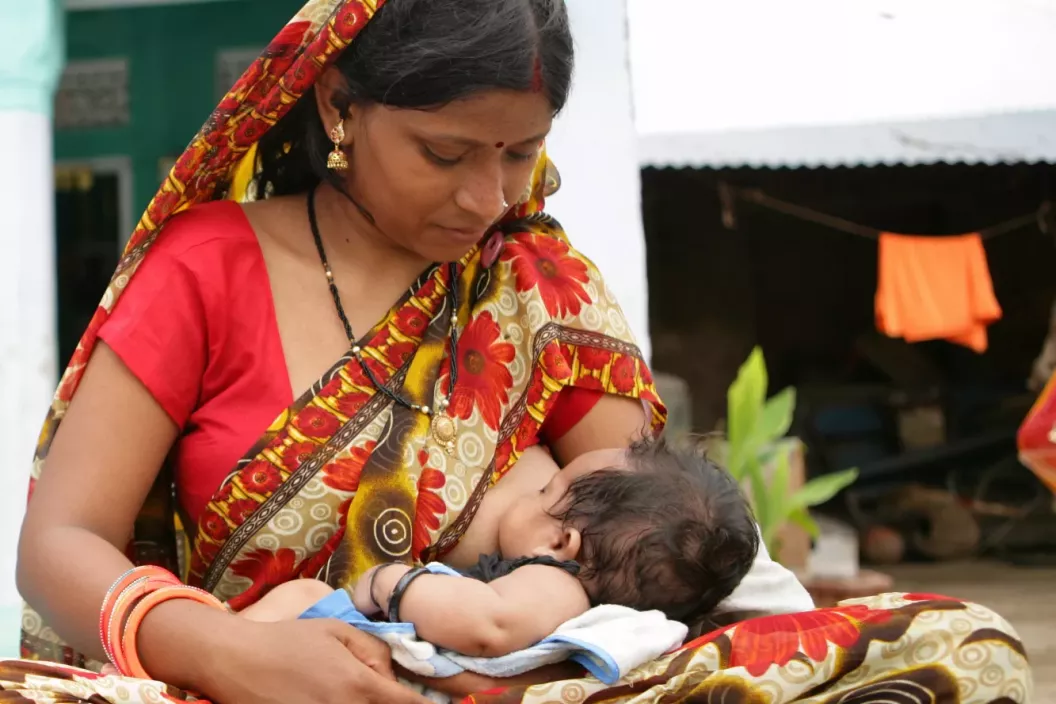
Top 10 Nutrient-Packed First Foods for Your Baby
Introducing solid foods to your baby is a significant milestone, and choosing the right first foods is crucial for their development. Nutrient-packed options can provide essential vitamins and minerals needed for your baby to thrive. Here are the Top 10 Nutrient-Packed First Foods that can help kickstart your baby's journey into solid foods:
- Avocado - Rich in healthy fats and fiber, avocados are perfect for baby's first food.
- Sweet Potatoes - Packed with beta-carotene, they are both nutritious and naturally sweet.
- Bananas - A great source of potassium and a good option for easy digestion.
- Oatmeal - Full of iron and fiber, oatmeal is a wholesome choice.
- Peas - These tiny green gems are loaded with vitamins A, C, and K.
- Carrots - Rich in beta-carotene, which converts to vitamin A for healthy eyes.
- Apples - Applesauce makes for a tasty introduction to fruits packed with vitamins.
- Pumpkin - Packed with antioxidants and fiber, pumpkin is a delicious first food.
- Broccoli - A nutrient-dense vegetable full of vitamins and minerals.
- Quinoa - A great source of protein and gluten-free, quinoa can be introduced as a grain.
Counter-Strike is a popular first-person shooter game that has captivated gamers since its initial release in 1999. Players engage in team-based tactical combat, choosing to play as either terrorists or counter-terrorists. The game requires strategy, teamwork, and skill to succeed, making it a favorite in competitive gaming. For those looking for convenience while gaming, check out the Top 10 Fast Bottle Warmers to keep your drinks warm without missing a beat.
How to Transition Your Baby to Solid Foods: A Step-by-Step Guide
Transitioning your baby to solid foods can be an exciting yet daunting experience for new parents. It's important to approach this process with care and consideration for your baby's developmental readiness. Start by observing your baby's cues, such as sitting up with support, showing interest in what you’re eating, and the ability to move food from a spoon to their throat. Typically, most babies are ready to begin this journey around 6 months of age, but consult your pediatrician for personalized advice. Once you’ve determined that your baby is ready, you can begin with single-grain cereals, pureed fruits, and vegetables.
To ensure a smooth transition, follow these step-by-step guidelines:
- Introduce One Food at a Time: This helps you identify any potential allergies. Wait three to five days before introducing another food.
- Choose the Right Consistency: Start with purees and gradually move to thicker textures as your baby adapts.
- Be Patient: Your baby may refuse food initially - keep offering it without pressure.
- Encourage Self-Feeding: As your baby becomes more comfortable, allow them to explore self-feeding with soft, stick-shaped foods.
Common Feeding Myths Debunked: What Parents Need to Know
As parents, navigating the world of child nutrition can be daunting, particularly with the plethora of feeding myths that circulate. One common myth is that kids need to eat three large meals a day to maintain their energy levels. However, expert advice suggests that offering smaller, nutrient-rich snacks throughout the day can be more beneficial for a child's metabolism and growth. In fact, children often prefer to graze rather than eat large meals, so it’s essential for parents to provide a variety of **healthy snack options** and encourage balanced eating habits.
Another popular misconception is that children will naturally know what to eat when they are hungry. In reality, many kids can benefit from guidance in developing healthy eating habits. It's important for parents to introduce a wide range of foods early on to encourage acceptance of different flavors and textures. Creating a positive mealtime environment can also play a critical role; try making meals a family event to promote healthy eating patterns. Remember, being informed about these feeding myths can empower parents to make the best decisions for their child's nutrition.