The Ultimate Guide to Ergonomic Furniture: Enhance Comfort and Productivity
In today’s fast-paced work environment, the importance of ergonomic furniture cannot be overstated. Ergonomic furniture is designed to support the body in a way that promotes comfort and reduces strain during prolonged use. Investing in ergonomic solutions such as adjustable chairs, sit-stand desks, and monitor risers can lead to improved posture, reduced discomfort, and ultimately, enhanced productivity. According to studies, an ergonomic workspace can increase efficiency by up to 25%, making it crucial for business owners and remote workers alike to consider these investments.
When selecting ergonomic furniture, there are several key features to look for:
- Adjustability: Ensure that the furniture can be customized to fit your specific measurements and preferences.
- Support: Look for chairs and desks that provide adequate lumbar support and promote a neutral posture.
- Material: Choose breathable, durable materials that can withstand regular use while offering comfort.
Counter-Strike is a highly popular tactical first-person shooter game that pits teams of terrorists against counter-terrorists in various objective-based scenarios. Players must use strategy, teamwork, and skills to outmaneuver their opponents and complete missions. For those looking to enhance their gaming experience, having a comfortable space is crucial. Check out the Top 10 Home Office Setups to find inspiration for creating the ultimate gaming environment.
10 Common Workspace Mistakes and How to Fix Them for Better Ergonomics
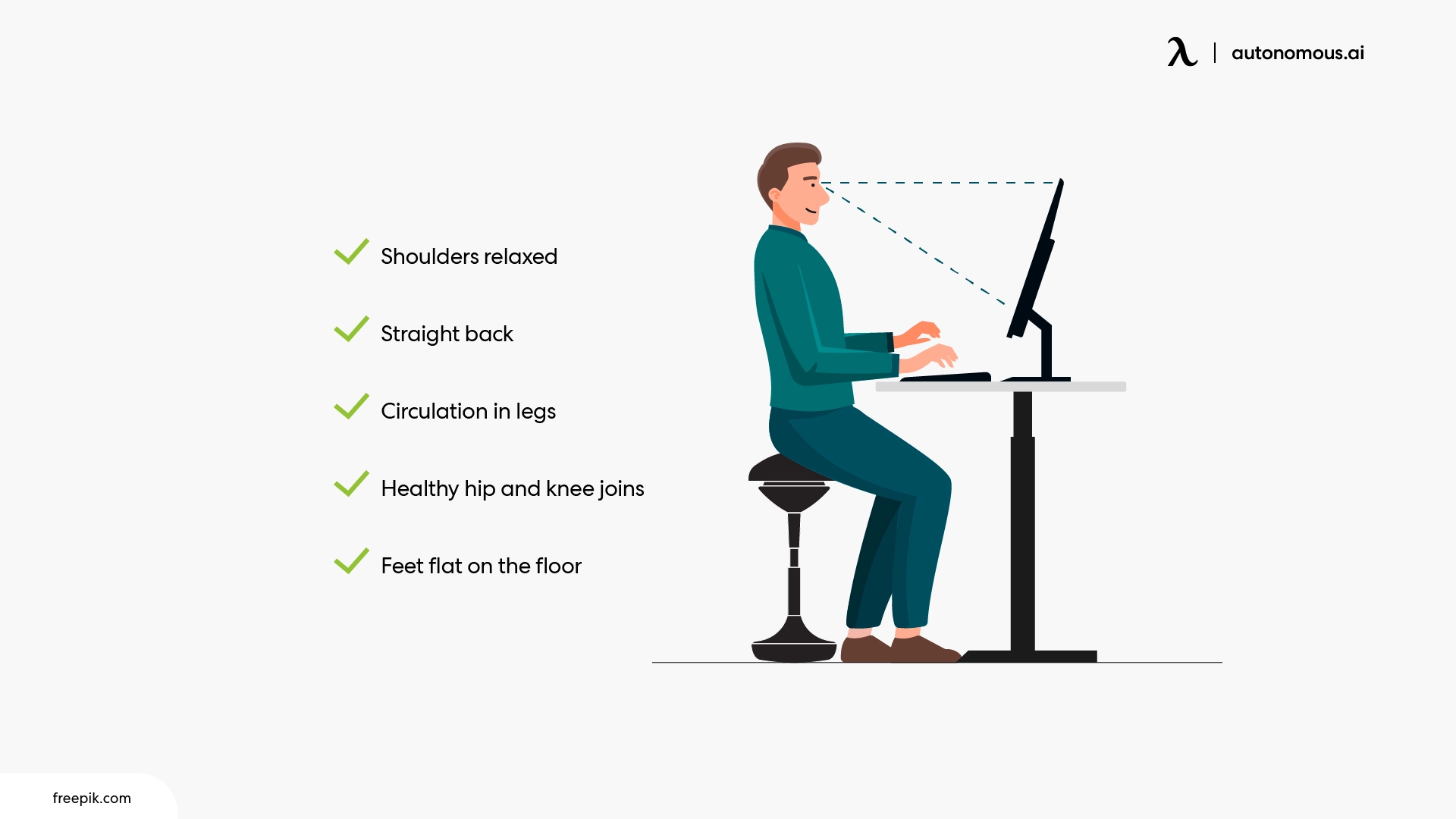
Creating a comfortable workspace is essential for productivity and overall well-being, yet many people unintentionally make common workspace mistakes that can lead to discomfort and inefficiency. One of the first mistakes is not adjusting your chair and desk height properly. Your chair should allow your feet to rest flat on the floor, while your desk should be at elbow height to promote natural posture. To fix this, consider investing in adjustable furniture. Additionally, poor monitor placement can cause eye strain and neck pain; ensure your screen is at eye level and about an arm's length away.
Another frequent error is overloading your workspace with unnecessary items. This not only creates clutter but can also distract you from your tasks. To rectify this, apply the 2-minute rule: if something takes less than two minutes to handle, do it immediately. Organize your workspace using trays or organizers, keeping only essential tools within reach. Lastly, failing to take regular breaks can lead to fatigue and burnout; set a timer to remind yourself to stretch or walk around every hour, which is crucial for maintaining ergonomics and focus throughout the day.
Are You Sitting Right? Discover the Key Principles of Ergonomic Seating
Are you aware of the impact your seating habits have on your overall health and productivity? Ergonomic seating is designed to provide maximum support and comfort, allowing you to maintain a healthy posture while working or relaxing. To ensure you are sitting correctly, consider adjusting your chair to promote a neutral spine position, keeping your feet flat on the floor, and your knees at a 90-degree angle. This not only enhances your comfort but can significantly reduce the risk of back pain and other musculoskeletal issues in the long run.
When choosing the right ergonomic chair, look for features that cater to your unique needs. Here are some key principles to keep in mind:
- Adjustability: Ensure your chair can be easily modified for height, armrest position, and lumbar support.
- Support: Opt for a chair that provides adequate support for your lower back, promoting better posture.
- Comfort: Look for breathable materials and ample cushioning to sit comfortably for extended periods.
By implementing these principles, you can transform your seating setup into a supportive environment that fosters productivity and well-being.