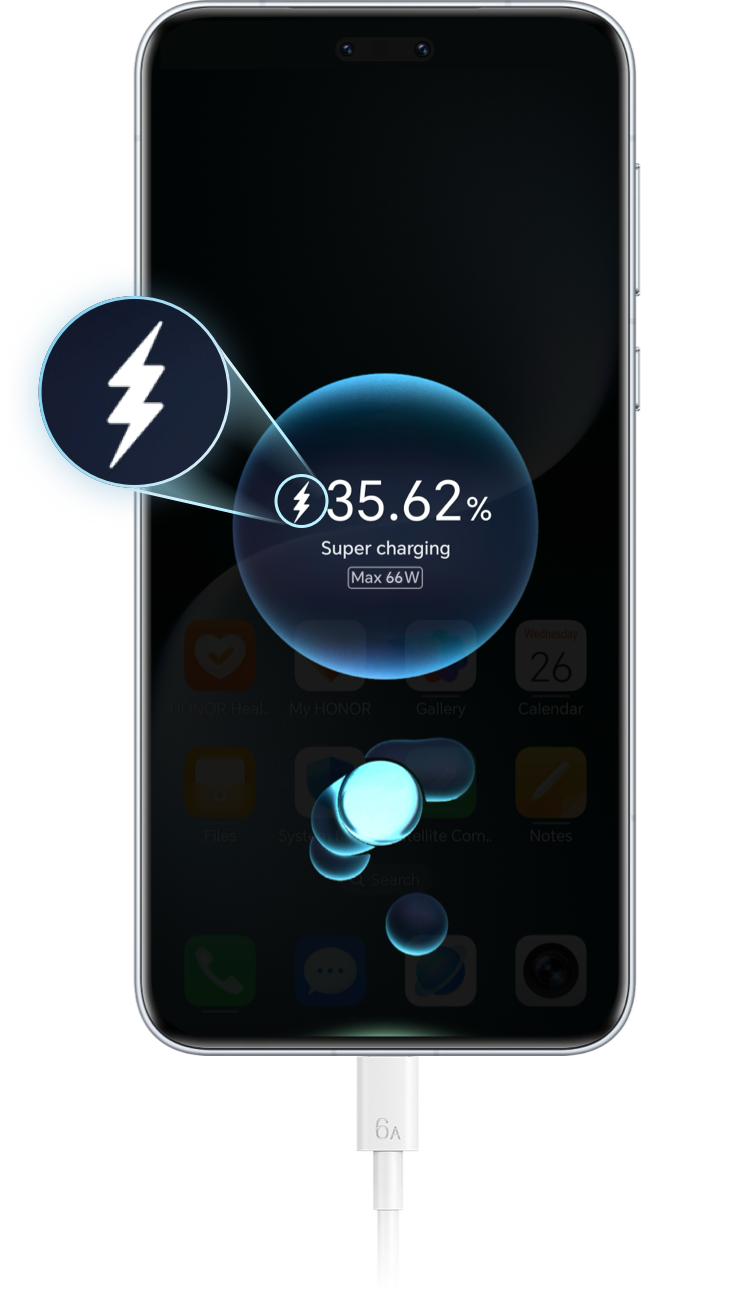
Understanding Fast Charging Technologies: What You Need to Know
Fast charging technologies have revolutionized the way we power our devices, offering significantly reduced charging times compared to traditional methods. These innovations utilize higher voltage and current levels to deliver rapid energy replenishment. The most common fast charging standards include Qualcomm's Quick Charge, USB Power Delivery (USB PD), and Samsung's Adaptive Fast Charging. Understanding the nuances of these technologies is crucial for consumers looking to maximize their device's performance and extend battery lifespan. For instance, Quick Charge can provide up to 50% charge in just 30 minutes, while USB PD allows for a broader range of power levels, supporting everything from smartphones to laptops.
When considering fast charging for your devices, it's important to note that not all chargers and cables are created equal. To take full advantage of fast charging capabilities, both the charger and the device must support the same technology. Additionally, factors such as battery health, ambient temperature, and charging habits can affect performance. Here are some tips to ensure you're getting the most out of your fast charging experience:
- Use the right charger: Always use chargers and cables recommended by the device manufacturer.
- Avoid extreme temperatures: Charging in hot or cold environments can hinder performance.
- Monitor battery health: Regularly check your device's battery health to ensure it can handle fast charging.
Counter-Strike is a highly popular multiplayer first-person shooter game where teams of terrorists and counter-terrorists compete to achieve specific objectives, such as bomb planting or hostage rescue. Players can upgrade their weapons and equipment based on their performance, adding a strategic layer to the fast-paced action. For those interested in technology, check out the Top 10 fast chargers for iPhone to enhance your gaming experience.
Top 5 Tips for Optimizing Your Device's Charging Speed
When it comes to improving your device's charging speed, the first step is to invest in a high-quality charger. Many devices come with generic chargers that may not deliver optimal power. Using a charger that matches your device's specifications, or one that supports fast charging, can significantly reduce the time it takes to recharge your battery. Make sure to always go for official or certified chargers to avoid potential damage to your device.
Another important factor in optimizing charging speed is to reduce your device's power consumption while it charges. Here are some effective strategies to consider:
- Enable Airplane Mode to limit background processes.
- Close Unused Apps that may be draining power.
- Turn Off Bluetooth and Wi-Fi if you are not using them.
By implementing these changes, your device can focus its energy on charging rather than multitasking, thereby speeding up the process.
How Does Quick Charging Work? Exploring the Science Behind It
Quick charging technology has revolutionized the way we power our devices, allowing for faster replenishment of battery life than traditional charging methods. At the heart of this innovation is the utilization of increased voltage and current to deliver more power to the battery. Typically, a standard charger operates at 5 volts, but quick chargers can operate at higher voltages, such as 9V or 12V, depending on the device's compatibility. This increment in voltage, alongside the management of current flow, enables a significant reduction in charging time, making it possible to charge smartphones and electric vehicles in a fraction of the time.
Moreover, quick charging employs various techniques such as fast charging protocols like Qualcomm's Quick Charge and USB Power Delivery. These protocols facilitate communication between the charger and the device, allowing them to negotiate the optimal voltage and current for efficient charging. This dynamic adjustment is vital because it helps prevent overheating, which can lead to battery degradation. As technology advances, the science behind quick charging continues to evolve, promising even faster charging solutions while maintaining safety and battery longevity.