Understanding the Backbone: How Cables Power Our Digital Infrastructure
The digital age thrives on the seamless transmission of data across various platforms, and at the heart of this connectivity lies an intricate network of cables. These vital components serve as the backbone of our digital infrastructure, enabling everything from simple emails to complex cloud computing. Fiber optic cables, in particular, have revolutionized telecommunications by allowing data to travel at the speed of light, significantly increasing bandwidth and reducing latency. This technological advancement has paved the way for high-speed internet and reliable online services, which are imperative for individuals and businesses alike.
Moreover, the robustness of our digital infrastructure is greatly influenced by the types of cables employed. Copper cables, despite their limited bandwidth, are still widely used in local networks due to their affordability and ease of installation. However, as the demand for faster and more reliable connections grows, the shift towards fiber optic technology becomes increasingly evident. In addition to ensuring consistent internet access, these cables are essential for powering modern data centers, which house vast amounts of information and support various online activities. Understanding how these cables work not only enhances our appreciation of our digital lives but also highlights the critical importance of investing in the infrastructure that powers our ever-evolving digital landscape.
Counter-Strike is a highly popular first-person shooter game that emphasizes teamwork and strategy. Players can choose to be part of a terrorist or counter-terrorist team, with objectives such as bomb defusal and hostage rescue. To keep your gaming devices powered, check out the Top 10 iPhone charging cables to ensure you never run out of battery during intense matches.
The Invisible Pathways: Exploring the Types of Cables That Connect Us
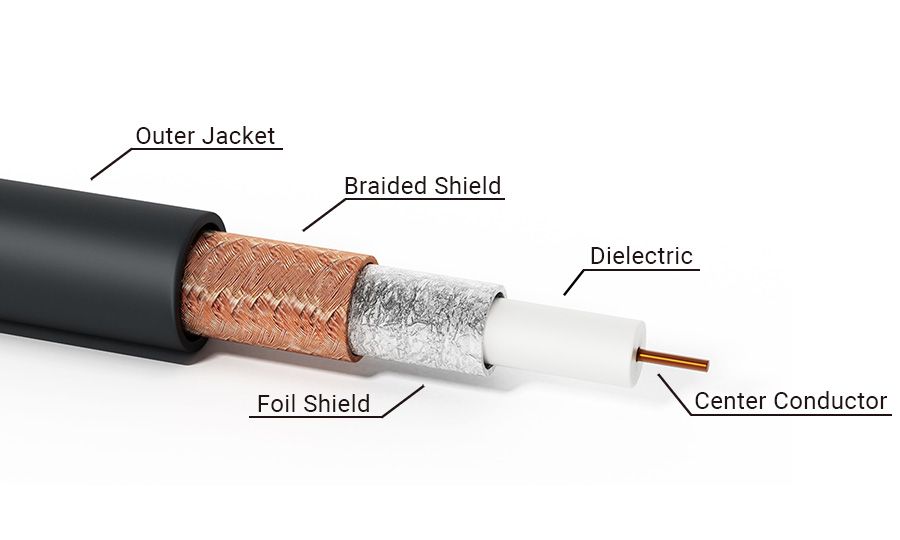
In our increasingly digital world, cables play a crucial role in connecting devices and enabling seamless communication. From the twisted pair cables used in local area networks to the fiber optic cables that provide internet connectivity across vast distances, the types of cables are as varied as their applications. Each cable type is designed with specific characteristics that make it suitable for particular tasks; for instance, while coaxial cables are commonly used for cable television, HDMI cables have become standard for high-definition video and audio connections.
Furthermore, the evolution of cables has led to the development of innovative solutions that cater to the growing demands for faster data transfer and greater connectivity. Technologies such as USB-C have revolutionized how we connect devices, allowing for rapid data transfer and charging through a single cable. As we continue to rely on these invisible pathways for communication and data exchange, understanding the different types of cables and their functionalities becomes essential for maximizing efficiency and ensuring robust connections.
Why We Need Cables: Debunking Myths About Wireless Technology
In today’s world, the allure of wireless technology often overshadows the practicality and reliability of traditional cabling. Many users believe that wireless connections are inherently better due to their convenience and mobility. However, cables still play a crucial role in network infrastructure. They provide consistent bandwidth, reduce latency, and avoid common wireless interference issues. For example, while a wireless connection might suffice for casual browsing, tasks requiring high-speed data transfer, like gaming or video conferencing, benefit significantly from a wired connection.
Moreover, myths surrounding wires often stem from misconceptions about their limitations. Few realize that modern cabling, such as fiber optics, offers exceptional speed and stability over longer distances. In addition, cables can serve as a more secure method of data transmission, minimizing the risks posed by potential hacking threats in wireless environments. Therefore, rather than viewing cables as an outdated technology, we should recognize their vital importance in achieving optimal performance in our digital landscape.